
Why Political Anger Is Boiling Over on the Streets of India’s Capital
Thousands of students are protesting in New Delhi over alleged paper leaks and exam irregularities. The growing movement has sparked nationwide debate on education reform, youth unemployment, government accountability, and the future of India's examination system.
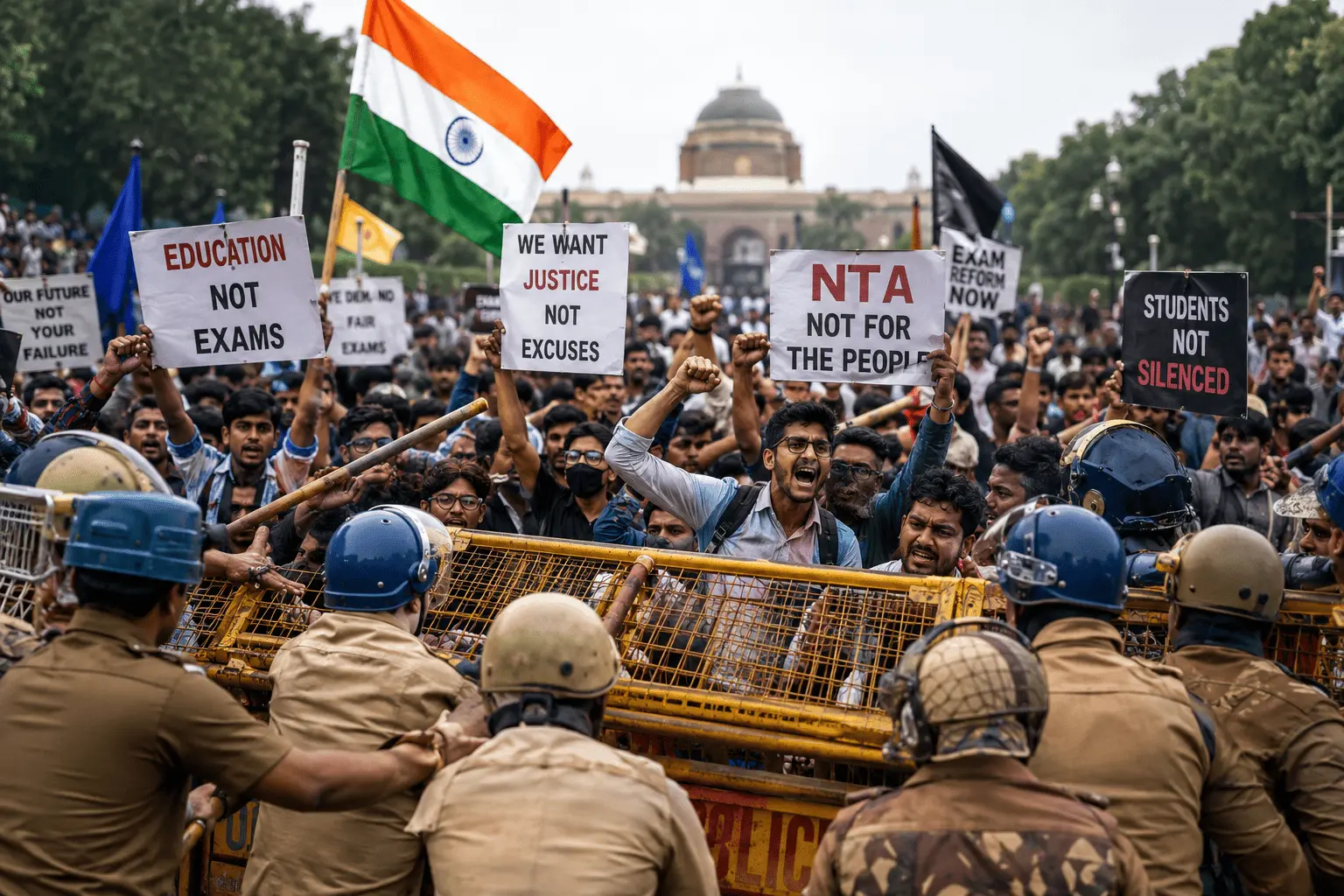
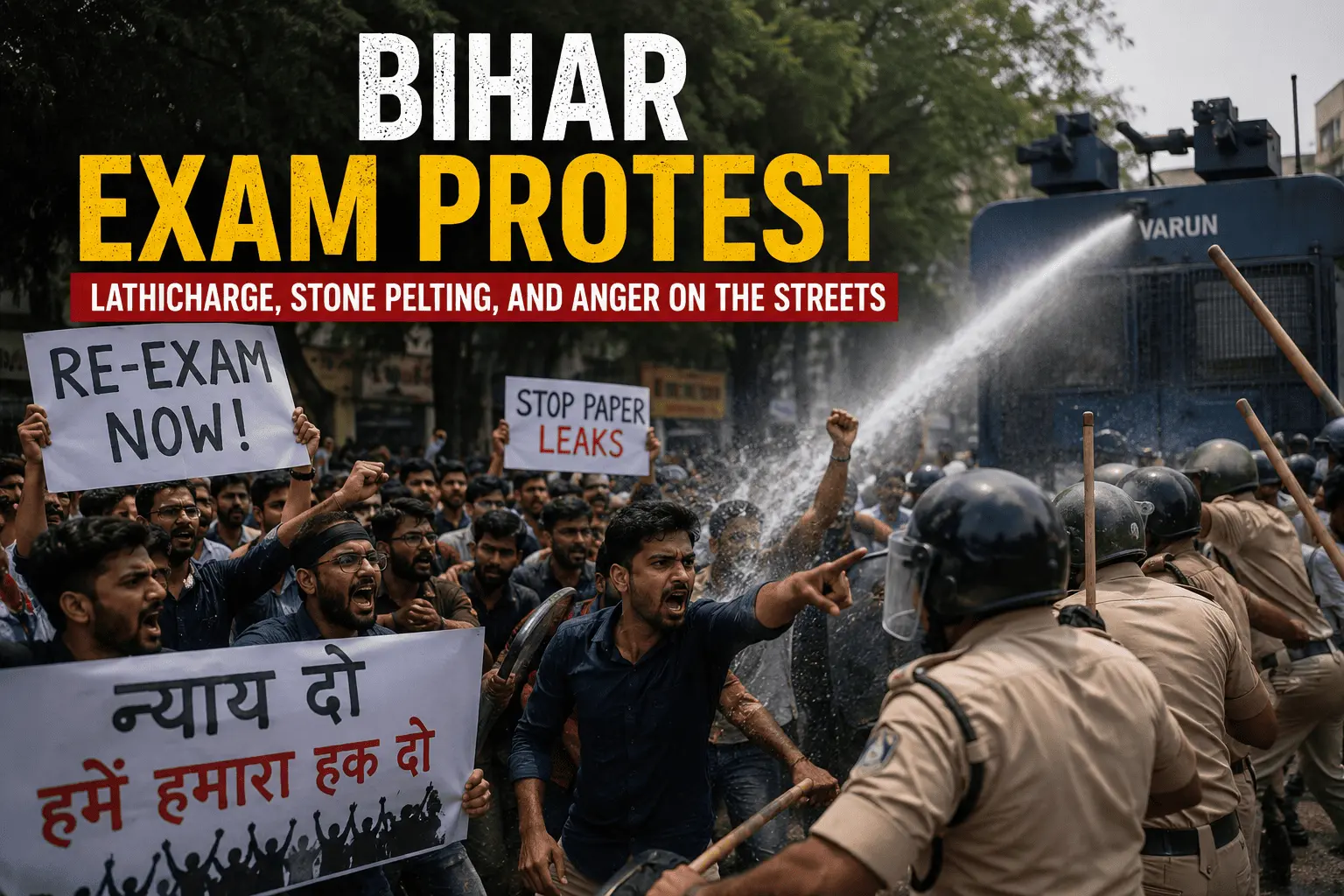
Thousands of young people have taken to the streets in New Delhi during some of the largest protests in recent memory to call for changes to India's examination system. The demonstrators claim that due of purported paper leaks, inconsistencies, and frequent technical malfunctions, the system denies millions of students a fair opportunity.
The protests escalated as demonstrators attempted to march in the direction of Parliament earlier this week. However, police halted them since they had already issued prohibitory orders in the area and thought the march was unlawful. Tear gas and batons were reportedly used during the altercation.
Following Monday's skirmishes, leaders of the demonstrating movement reported that some 150 protestors were hurt and transported to hospitals. However, Delhi Police reported that 118 of its officers were hurt in what it called "violent protests."
Supporters of the initiative were incensed when videos of the police action went viral. Reports of an internet ban enforced by authorities, which postponed the release of video from the incident, further heightened the issue.
Rebuilding Camp for Protesters at Jantar Mantar
Protesters rebuilt the temporary camp that the police had destroyed the day before as they returned to Jantar Mantar on Tuesday in defiance of the attack.
After returning with obvious injuries, a number of demonstrators accused the police of employing excessive force. Protesters claimed that until the police intervened, the march in the direction of Parliament had been peaceful.
One of the demonstrators, Sudhir Kumar, stated that education was the primary cause of the campaign. He claimed that after studying for a prominent medical admission exam for a whole year, he discovered that the question paper had purportedly been leaked.
"It is very disappointing when you study the whole year and on the test day find out that it was fraud,"
He continued.
Additionally, Mohammad Taj, from nearby Haryana, said that the police surprisingly started hitting the demonstrators with sticks.
He claimed that the influence of this action affects women, children, and elderly people.
From a Joke to a Youth-Led Political Movement
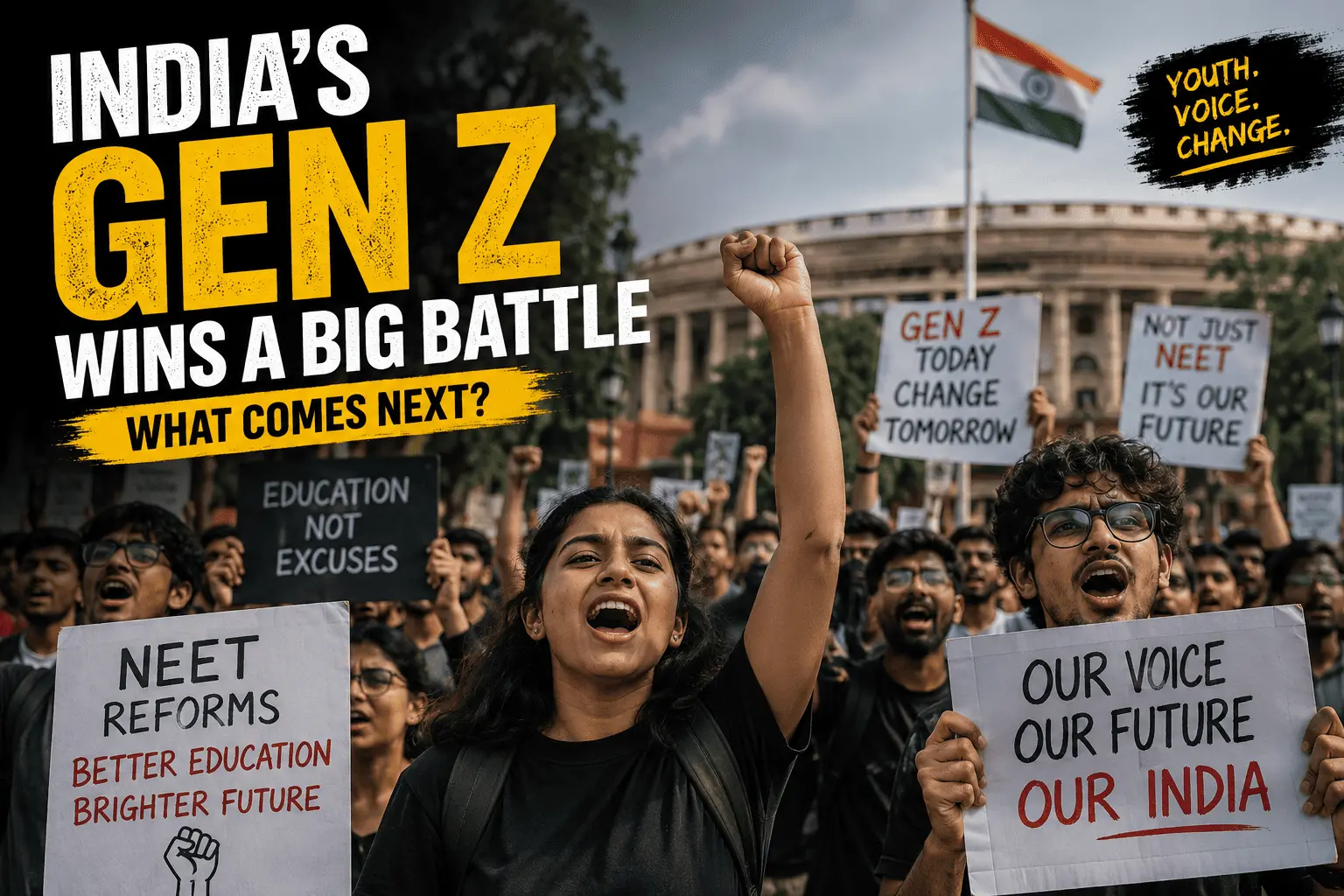
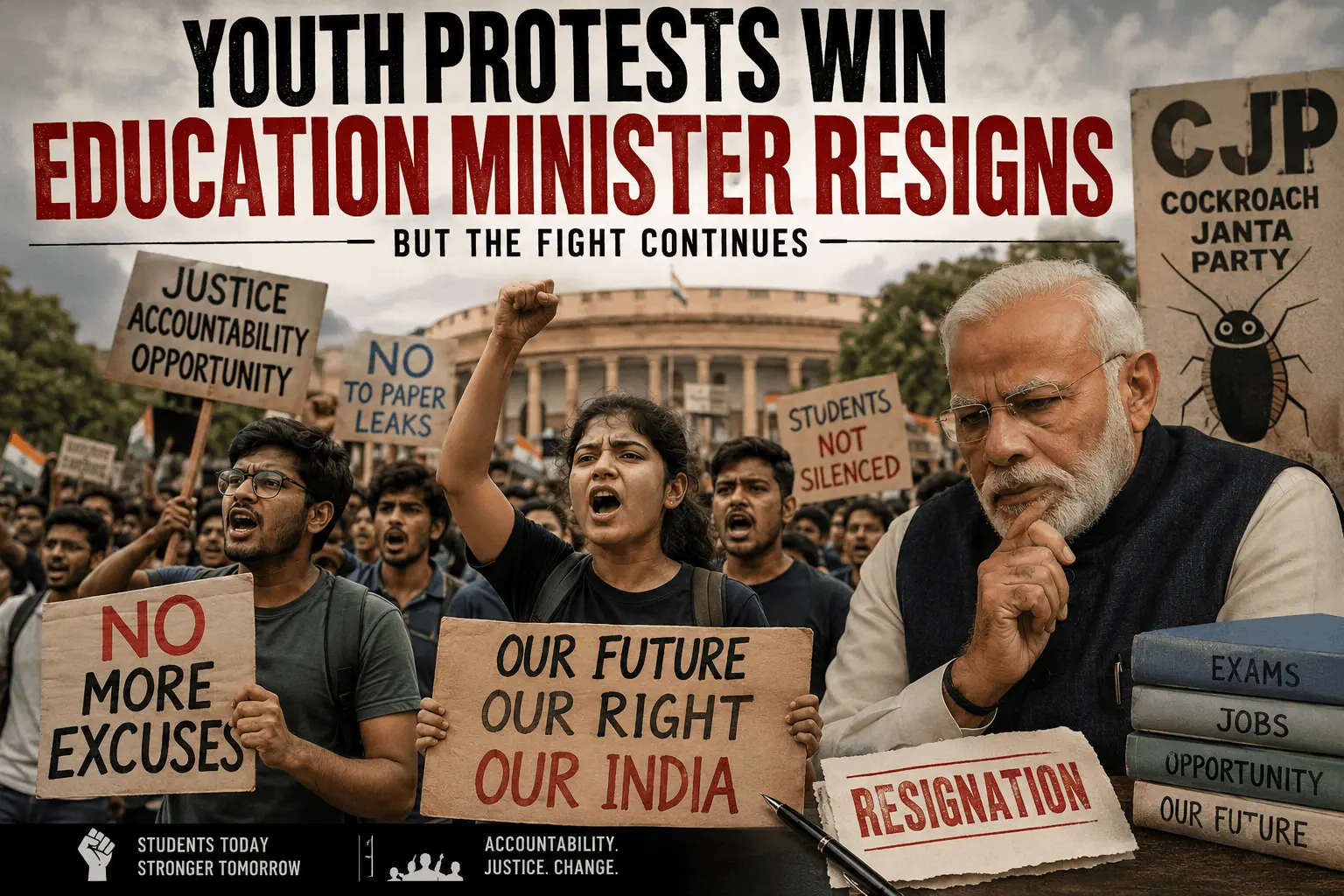
The protests have been led by the Cockroach Janta Party (CJP), a youth-led movement that initially began as a joke but has since emerged as a political platform representing the anger and frustration of millions of young Indians.
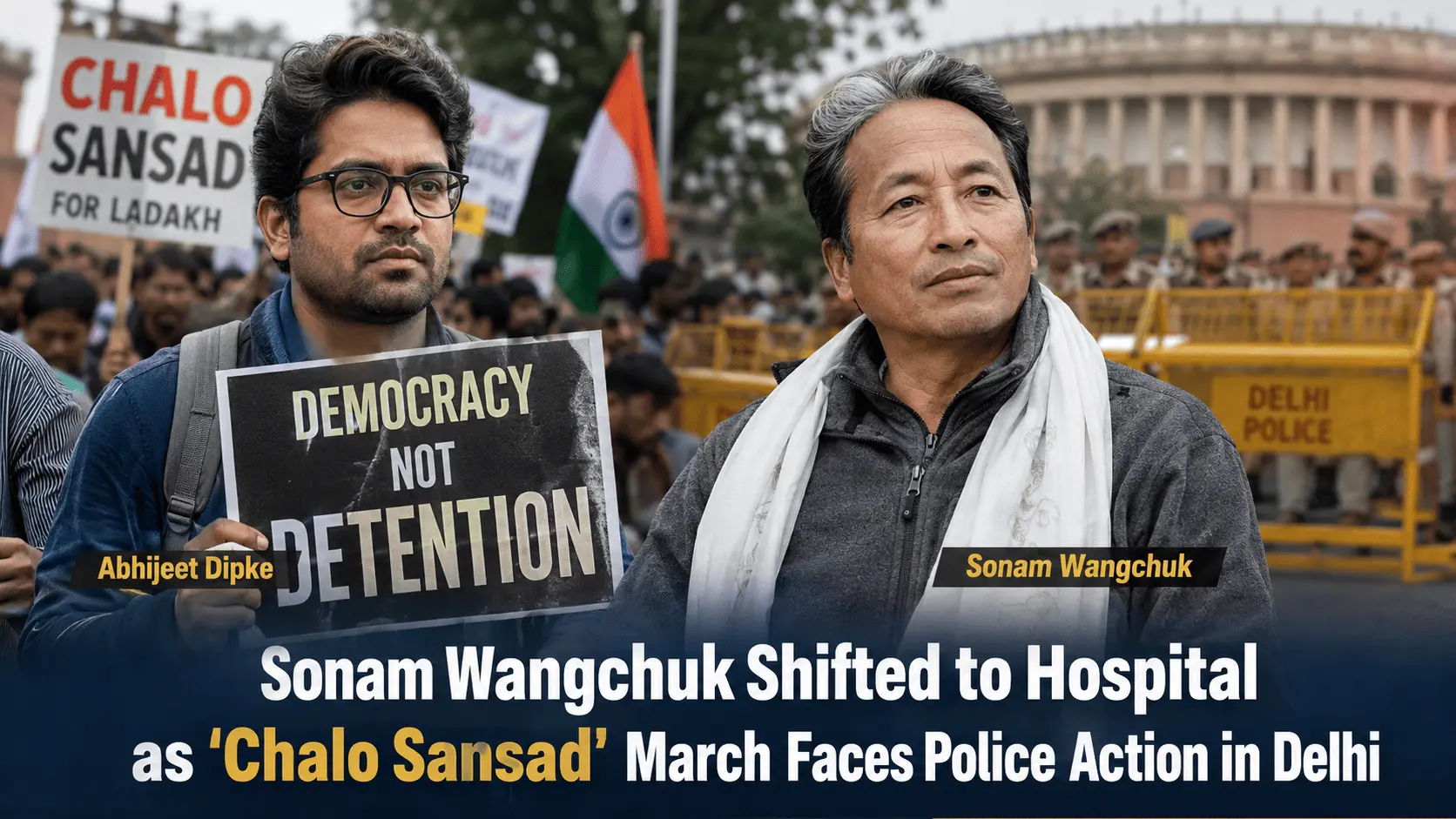
Abhijeet Dipke, a graduate of Boston University, started the movement. It gained attention in May after remarks by India’s Chief Justice were interpreted by some as referring to unemployed young people as “cockroaches.” The comments triggered widespread anger among sections of the youth, particularly in a country where unemployment remains a major concern.
Later, the CJP became a well-known voice opposing purported anomalies in extremely competitive medical entrance exams. Exam papers were allegedly leaked and sold, forcing millions of students to retake tests, according to protesters.
Paper Leaks and Examination Failures Fuel Anger
India’s examination system has suffered recurrent scandals over the years, including allegations of paper leaks, technical breakdowns, and the cancelation of examinations.
Millions of students have invested a lot of money, and their families have spent years studying for tough tests. When an exam is postponed or compromised, students may endure severe financial and mental strain.
More than just taking action against specific instances of document leaks is what the demonstrators are calling for. To guarantee that students have an equal chance, they need a more comprehensive reform of the test system and more robust protections.
Sonam Wangchuk’s Removal Adds to Public Anger
After well-known activist Sonam Wangchuk, who had been on a hunger strike in favor of the campaign, was taken from the protest site and sent to the hospital, public outrage increased over the weekend.
Tensions between demonstrators and police are said to have increased as a result of the event. Videos captured Wangchuk being removed from the protest location while police officers blocked his view with sheets.
The demonstrators' resolve to carry on their movement was strengthened by the action, which also fueled criticism of the government.
The Government's Reaction Is Under Pressure
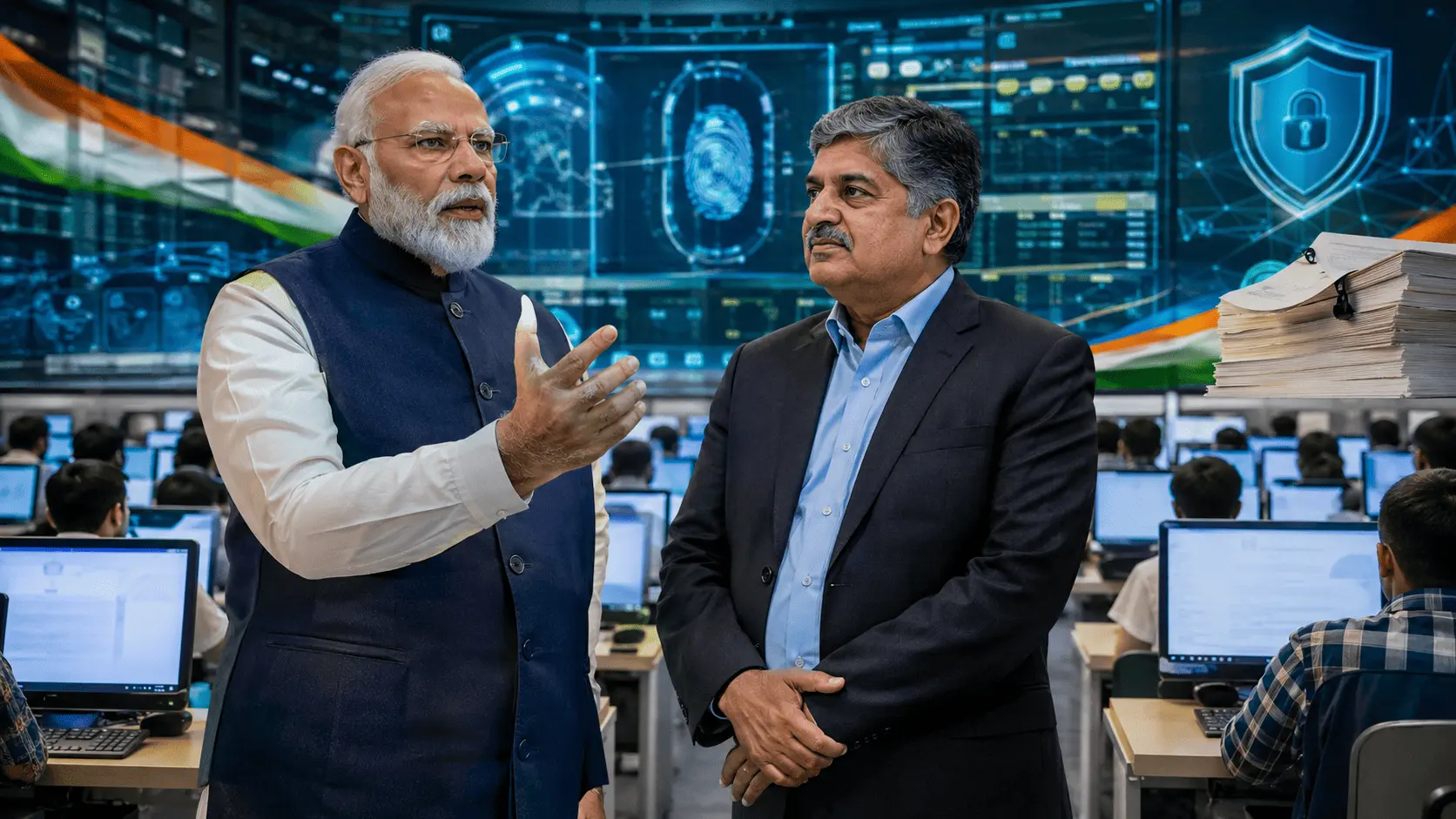
Prime Minister Narendra Modi has not publicly responded in detail to the protesters’ demands. However, the government has indicated through the Parliamentary Affairs Minister that the Prime Minister is committed to preventing examination paper leaks.
Education Minister Dharmendra Pradhan has also not issued a detailed public response to Monday’s clashes. In an interview last month, however, he had described the CJP as the “B-team of terror groups.”
The comments have further contributed to the political confrontation between the movement and the government.
Rahul Gandhi was arrested during a demonstration.
On Tuesday, opposition leader Rahul Gandhi entered the political fray. To call for Prime Minister Narendra Modi's resignation, he organized a sit-in outside his house.
He was briefly detained during the protest.
The opposition has accused the government of ignoring serious problems with the examination system and of not attending to youth concerns.
Protest Expands Beyond Examination Reform
What began as a movement against alleged paper leaks and examination irregularities is now expanding into a broader political protest.
Some demonstrators are calling for the removal of the Education Minister from office, while many others are still demanding changes to the examination system. Some protesters have gone so far as to call for Prime Minister Narendra Modi's resignation.
The demonstrators claim that if the government takes significant action, they will keep up their sit-in.
The increasing rallies in New Delhi are no longer solely motivated by dissatisfaction about exam failures. They represent a broader dissatisfaction among young Indians regarding unemployment, competitive exams, purported inaction on the part of the government, and what critics refer to as the diminishing room for criticism.
The government must address the concerns of a politically engaged generation while averting further escalation on the streets of the nation's capital as the protests continue.

Comments (0)
Login to join the discussion and share your thoughts.
No comments yet. Be the first to comment.