
India’s Gen Z Has Won Its First Big Battle. What Comes Next?
India's Gen Z celebrates Education Minister Dharmendra Pradhan's resignation as a major protest victory. But while the NEET controversy sparked the movement, young Indians now demand deeper reforms in education, employment, transparency, and government accountability, raising questions.
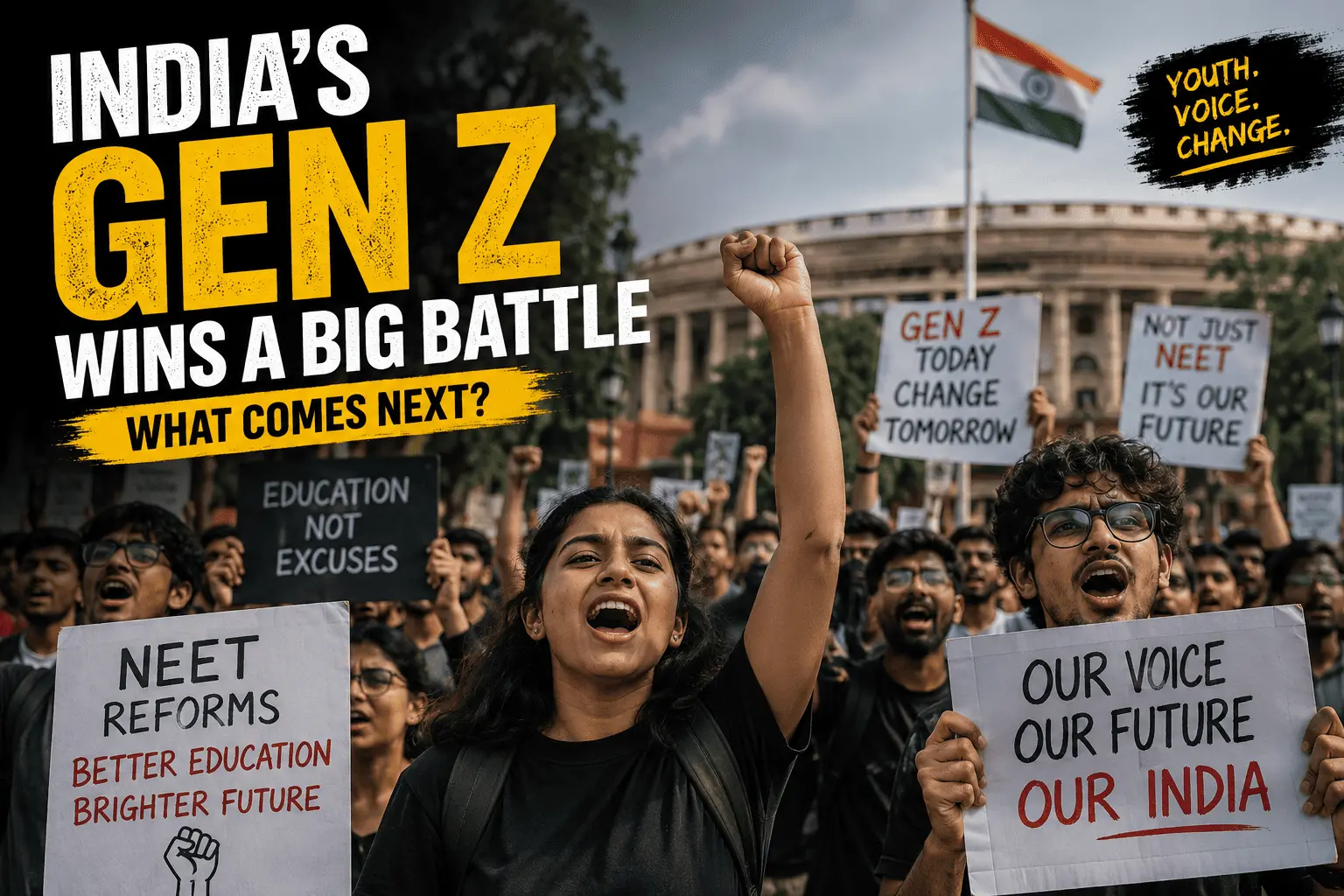
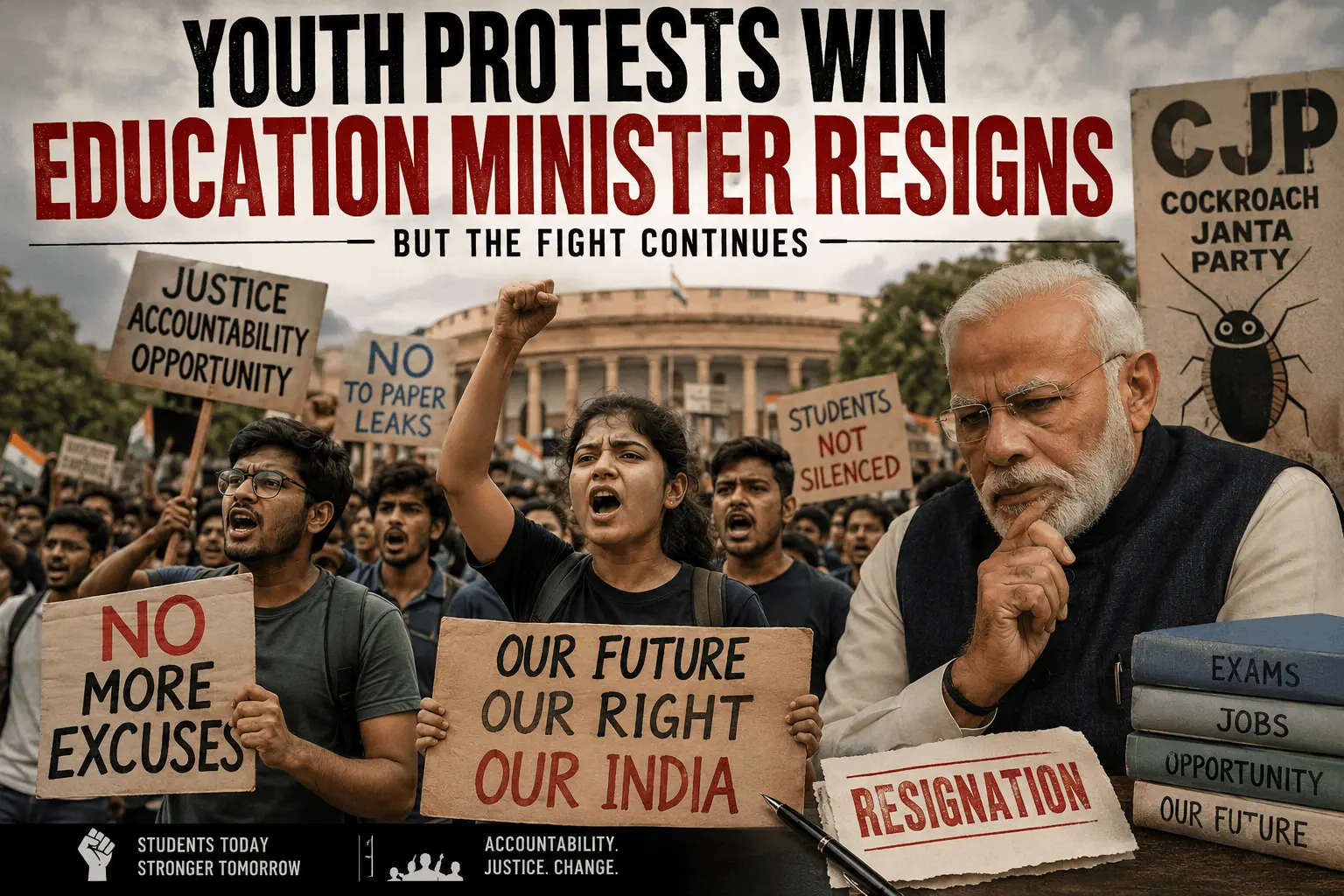
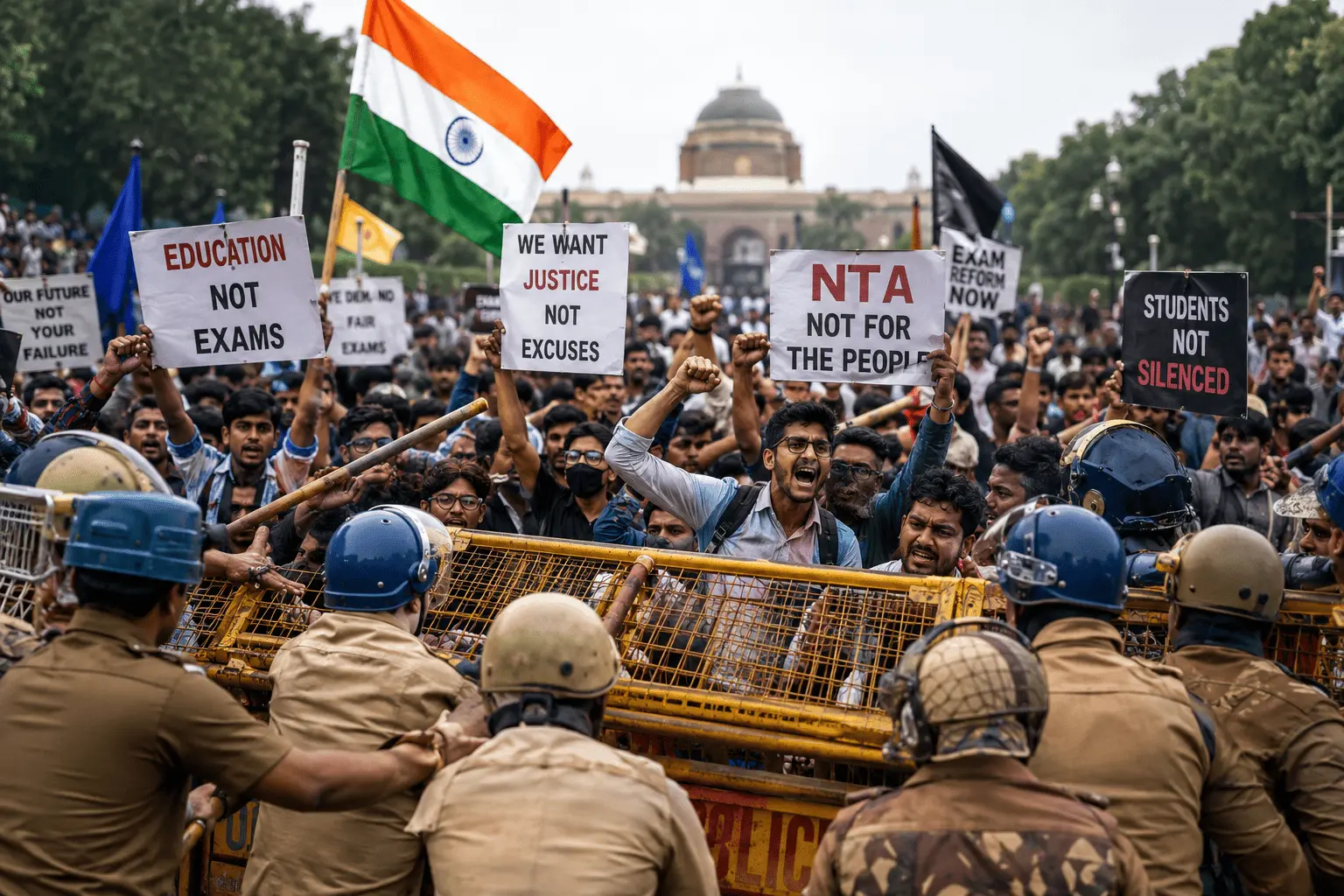
The resignation of Education Minister Dharmendra Pradhan has become more than just a political development to India's youth demonstrators. It has sent a strong message to a generation that frequently feels disregarded: persistent public pressure can compel the government to act.
The resignation came after more than a week of protests over allegations surrounding the country’s medical entrance examination system. For many young people who had never before taken part in street demonstrations, the outcome was an unexpected victory.
“We finally felt that protests can actually bring change,”
said Sakhi, a 22-year-old student activist in Delhi.
That sense of achievement has spread rapidly across social media. Following Pradhan's resignation, old remarks made by high-ranking government officials implying that ministers do not quit under the Modi administration were widely circulated.
For demonstrators, it was a spectacular turnabout.
A protest movement that grew online
The movement was powered by a generation that communicates differently from previous political movements. Viral posts, short films, and Instagram reels were essential components of the campaign.
Pictures of police actions, arrests, and altercations at protest locations were widely circulated. Videos were seen by millions of people in a matter of hours in certain instances.
Sakhi believes this digital strategy helped the movement expand quickly.
She claims that although the administration was more accustomed to traditional media channels, it was unaware of how quickly Instagram could transform dispersed rage into a national movement.
That disconnect proved crucial.
The controversy that triggered the protests
The protests were sparked by the crisis surrounding NEET, India's highly competitive medical entrance examination.
After allegations of a question paper leak, the examination process was thrown into turmoil. The test was cancelled and millions of students were forced to face the uncertainty of taking it again.
Families and kids who had spent years studying for the test were deeply offended by the situation. According to the report, the deaths of over 20 pupils increased public indignation and caused bereaved families to question the system's shortcomings.
The Cockroach Janta Party, or CJP, was an internet movement that finally emerged as one of the most prominent manifestations of the demonstrations.
It called for the resignation of the education minister, modifications to the test system, and financial support for families affected by the situation.
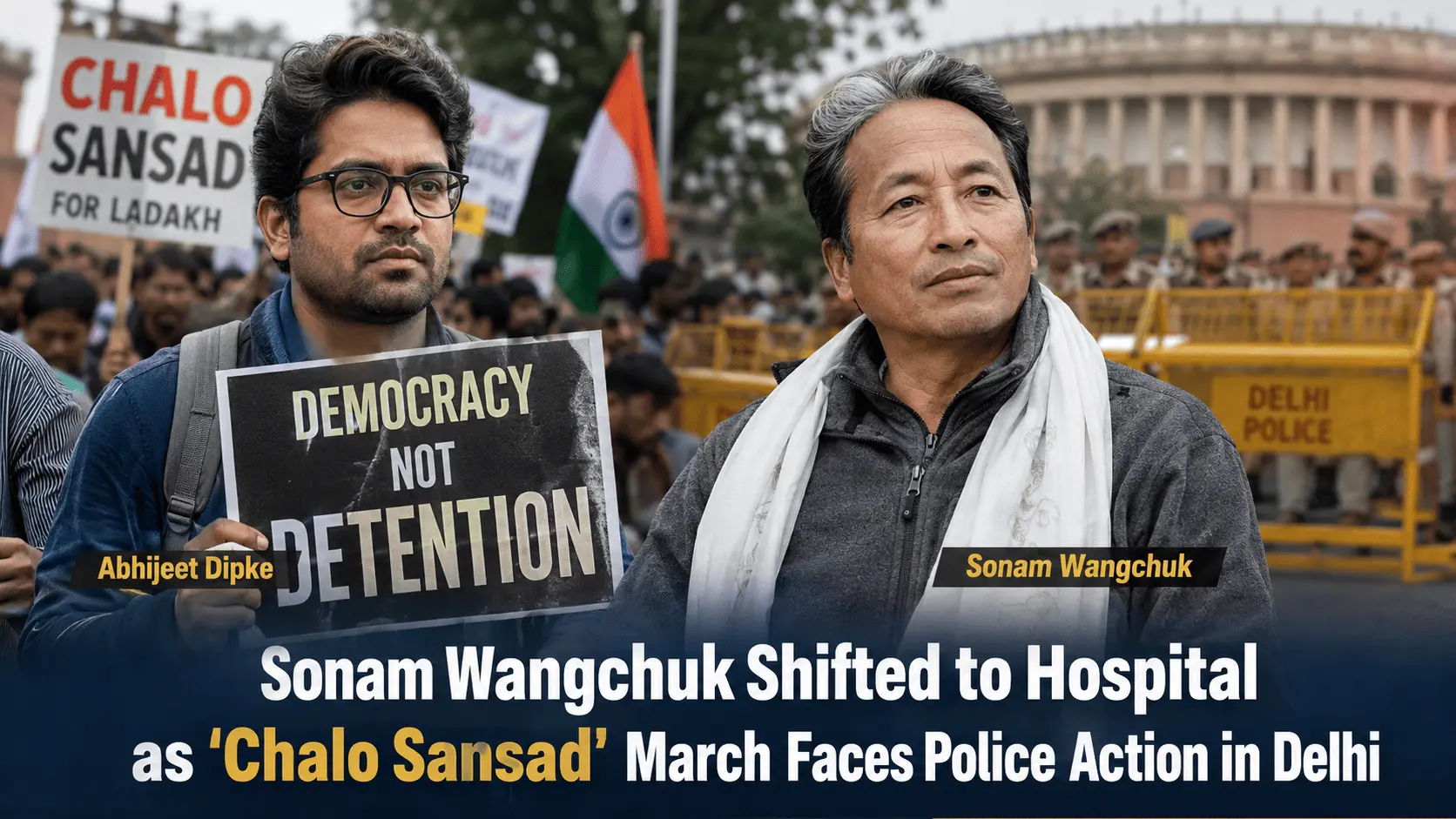
The campaign struggled to garner much notice at initially. Following the removal of hunger-striking educator Sonam Wangchuk from a Delhi protest site by police, that changed.
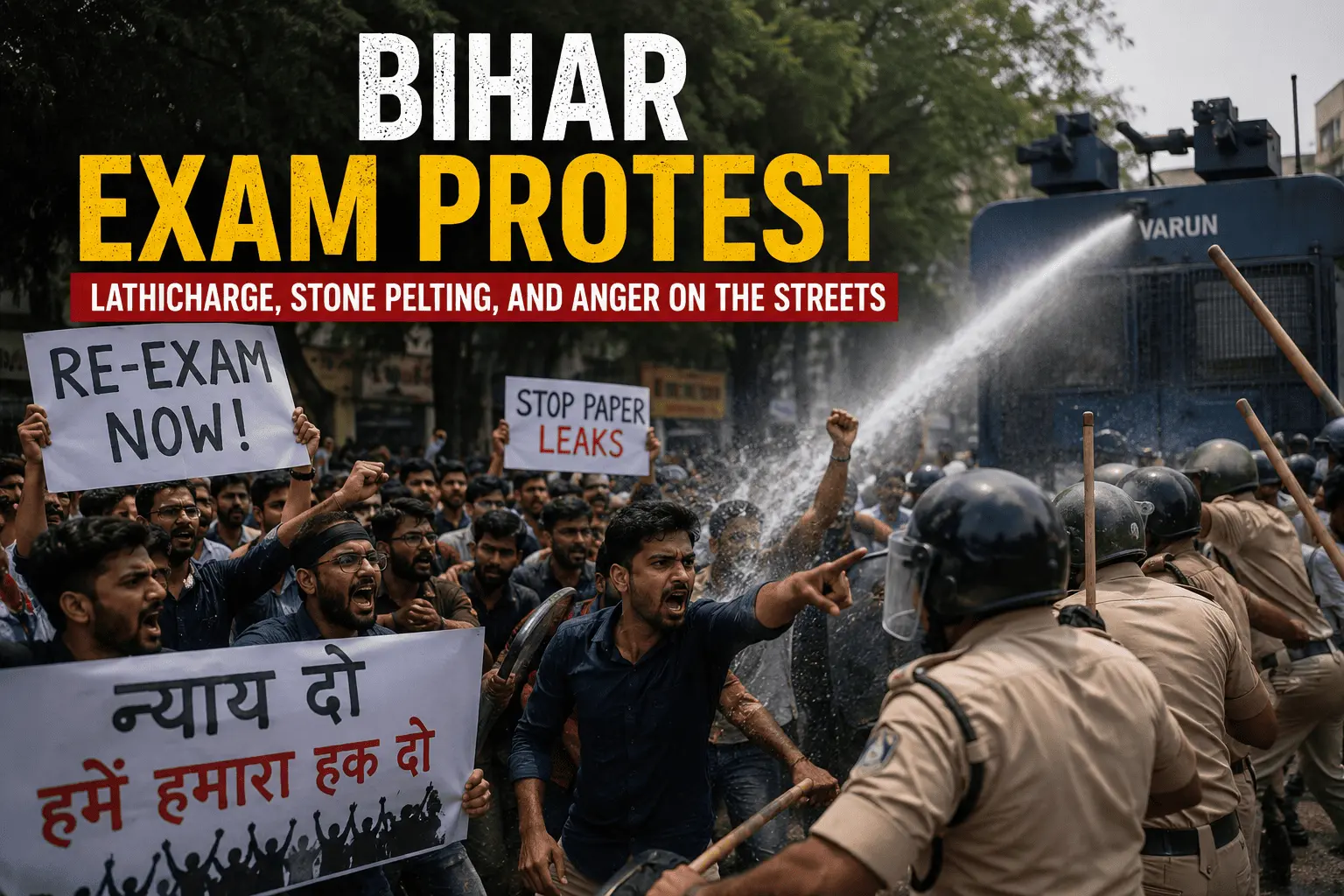
The movement was altered by the police action that followed during protests.
Instead of putting an end to the protests, videos of fights and the use of force quickly went viral on the internet.
The anger is bigger than one examination
The NEET debate was merely the initial catalyst for many demonstrators.
A broader crisis of opportunity is connected to the deeper frustration.
There is fierce competition among young Indians for jobs and education. Even after earning degrees, many people still struggle to obtain reliable jobs.
The report cites government statistics showing a sharp rise in unemployment among individuals aged 15 to 29 during the previous year. The study from Azim Premji University also highlighted how difficult it is for young people to secure long-term, well-paying employment.
For students, the message is becoming more straightforward: school demands years of dedication and substantial financial outlay, yet neither a degree nor passing a challenging exam ensures a stable future.
Now, that annoyance has spread to the streets.
Viral videos changed the public conversation
Mumbai was the scene of one of the most widely discussed incidents.
While being detained during a rally, eighteen-year-old Harshvardhan Kadam recorded a police officer allegedly threatening him with a fictitious narcotics case.
Millions of people allegedly watched the video when it became viral. The officer was subsequently suspended.
Kadam said his intention was not to get the officer punished. He wanted people to see how he believed protesters were being treated.
For him, the education minister's resignation demonstrated the potential power of public protest.
“This is just the beginning,”
he said, reflecting the mood of many young activists.
A new confidence among young protesters
Several activists say the movement has changed the way young Indians view political participation.
Many of them had never previously attended a protest. Some had believed that demonstrations rarely produced meaningful results.
Pradhan's resignation has challenged that belief.
For young people like Somaya Korde, the protest is connected to much broader questions about India's future.
She argues that students are increasingly asking what happens after education. If universities become more expensive, examinations remain vulnerable to leaks and employment opportunities remain limited, then the promise that hard work automatically leads to success begins to lose credibility.
That loss of faith may prove more politically significant than the resignation itself.
The government faces a much larger challenge
The immediate demand of the protesters has been met. But the problems that brought them onto the streets remain unresolved.
A minister can resign. The larger system, however, still needs answers.
How will future examination leaks be prevented? Who will be held accountable when millions of students are affected? How can young graduates find stable employment? And how can the government rebuild trust among students who now believe that the system has failed them?
These questions are unlikely to disappear simply because the education minister has left office.
Fear of action against protesters
The movement's growing confidence has also been accompanied by anxiety.
Some activists worry that future legal action won't be prevented by the government's pledge not to target protestors.
More than 100 demonstrators have reportedly been charged with crimes and numerous others have been detained in relation to the protests. In order to avoid potential arrest, several campaigners have requested legal protection.
A tense atmosphere has resulted from this. Protesters feel empowered by their accomplishment, but many are worried about what might happen after the crowds leave the streets.
Is this the beginning of a bigger youth movement?
What occurs next could determine the answer.
The demonstrations may eventually be regarded as a movement that demanded responsibility if the government resolves the examination situation, increases openness, and addresses broader issues with employment and education.
However, if the underlying problems are not resolved, the resignation may instead function as a metaphor for something more important.
India's youth are not politically mute, as seen by the protests. It has its own networks, its own communication platforms and an increasingly strong sense of frustration.
At one protest site, a message reportedly captured the mood perfectly:
“We do not have jobs. If you erase this, we will return tomorrow.”
That may be the most important warning for the government.
For India's Gen Z protesters, the resignation of Dharmendra Pradhan may have been the first major victory. But the real question now is whether this victory will mark the end of a protest—or the beginning of a much larger movement demanding accountability from India's political system.

Comments (0)
Login to join the discussion and share your thoughts.
No comments yet. Be the first to comment.